
Books & Reports
-
Water at the Heart of El Salvador’s Struggle Against Neoliberalism
Español This paper examines three national-level strategies championed by social movement coalitions in El Salvador in order to address the freshwater crisis by challenging its systemic causes. These strategies include: a national ban on metal mining, a constitutional amendment recognizing the human right to water, and a general water law that legally establishes social control…
-
Implement The Sustainable Development Goal On Water And Sanitation By Strengthening Public Services
“Civil society groups and member states have called for the recognition of the human right to water and sanitation within the Sustainable Development Goal (SDG) framework. As international organizations representing frontline communities, workers and policy experts, we also call on member states to ensure the push for private sector participation in the areas of water…
-
Submission to the Special Rapporteur on the Human Right to Safe Drinking Water and Sanitation regarding water cut-offs in the City of Detroit, Michigan
Maude Barlow, founder of the Blue Planet Project and Chair of Food & Water Watch, recently visited Detroit, Michigan in the United States and heard firsthand accounts from residents who were having their water services cut off by the Detroit Water and Sewerage Department (DWSD). This report was produced from information gathered by Maude Barlow,…
-
Submission to the Open Working Group on Sustainable Development Goals regarding Water and Sanitation
On May 7, Blue Planet Project campaigner Meera Karunananthan addressed an Informal Meeting of the Open Working Group on Sustainable Development Goals at the United Nations in New York. The Open Working Group on Sustainable Development Goals, with a core group of 30 member states representing various regional groups and with participation from many more…
-
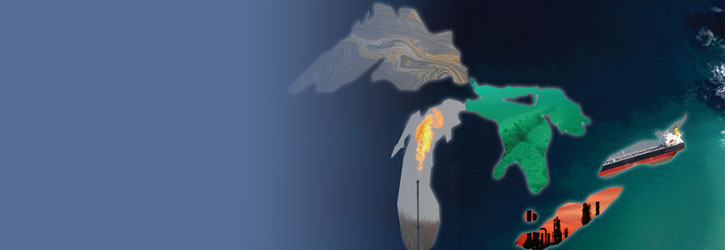
Liquid Pipeline: Extreme energy’s threat to the Great Lakes and the St. Lawrence River
Events are moving rapidly to establish the Great Lakes and the St. Lawrence River as a carbon corridor for a newly aggressive North American energy industry. This poses the greatest threat yet to these waters.
-
No fracking way
This briefing reveals how a major trade deal currently being negotiated between the European Union and the United States, the Transatlantic Trade and Investment Partnership, threatens the power of governments to protect communities, citizens and the environment from risky new technologies such as fracking. It calls on the EU and the US to exclude investor-state…
-
Struggle for Right to Water in India
This paper explores the possibilities for the implementation of the Right to Water in the Indian context and is divided into four sections. Section one deals with the meaning of the right to water in Indian law; Section two deals with the challenges posted by increased mining, large dams, energy projects, land grabs, water privatization,…
-
Gold Mining and the Defense of Water in El Salvador
International Delegation to El Salvador, May 10-13, 2013 Preliminary Report From May 10-13 2013, an international delegation from 12 countries representing 22 human rights, social justice and environmental non-profit organizations and advocates, along with academics, journalists, artists and grassroots activists, carried out a three day tour of El Salvador to examine experiences with gold mining operations and…
-
Dam Truths: A compilation of case studies about popular struggles against dams
While water is now undisputedly recognized by the United Nations as a human right, communities defending their right to water continue to face an uphill battle against industries that are destroying watersheds. Prime among these is the dam industry, which remains a major threat to freshwater sources and the human right to water around the…